Clean Smarter, Waste Less: Homemade Sparkle for Every Room
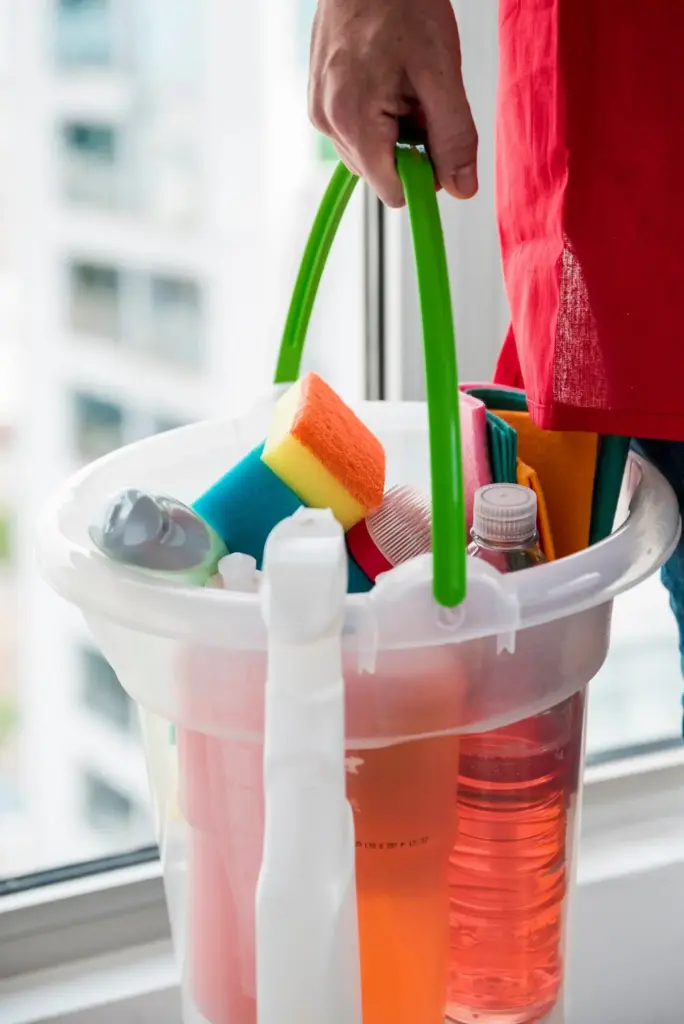
Join us as we dive into DIY cleaning solutions to eliminate packaging waste at home, turning everyday pantry staples into powerful, low-impact cleaners. Discover simple recipes, refill tricks, and mindful habits that keep surfaces shining, budgets calm, and bins astonishingly empty, while reducing plastic clutter and embracing resourceful, satisfying routines that make cleaning feel purposeful, thrifty, and genuinely kinder to the planet you care for every single day.

Pantry-Powered Essentials for a Sparkling Start

All-Purpose Spray with Citrus Peels

Fill a reused glass bottle with equal parts distilled water and white vinegar, then add a handful of orange, lemon, or grapefruit peels for a bright, uplifting scent that costs nothing extra. Let it infuse for a week, strain, and spray on sealed surfaces, stainless steel, and appliance fronts. Avoid natural stone and unfinished wood. You will love how this simple blend replaces multiple store-bought cleaners, reduces packaging, and turns kitchen scraps into something useful, fragrant, and gratifyingly effective.

Scrubbing Paste for Stubborn Spots

Stir baking soda with a little castile soap to form a silky paste, and store it in a small, wide-mouth jar ready for scuffed pans, sinks, grout, and soap scum. Apply with a damp cloth, gently rub, and rinse thoroughly for a residue-free finish. Buying baking soda in cardboard and castile soap in bulk dramatically reduces plastic waste, while the paste’s gentle abrasiveness spares delicate finishes. It is satisfying, versatile, and budget-friendly, turning tough jobs into calm, predictable, low-waste routines.

Streakless Glass and Mirror Polish

Shake two cups of warm water with one tablespoon of cornstarch and one tablespoon of vinegar in a reused spray bottle, then mist lightly and wipe with a lint-free cloth for gleaming mirrors and windows. The cornstarch helps cut haze without harsher solvents, and vinegar handles fingerprints beautifully. Avoid over-spraying, and always shake before each use because starch settles quickly. Buying cornstarch in paper packaging and vinegar in large bottles slashes throwaway plastic while delivering clarity and shine you can count on daily.

Choosing Containers That Last

Amber glass bottles protect light-sensitive mixtures, while stainless-steel spray heads and silicone gaskets resist corrosion for the long haul. A wide-mouth jar welcomes scrubbing pastes, dishwasher tabs, and toilet fizzies without cracked lids or warped plastic. When something breaks, replace only the component you need, not the entire bottle, which reduces material demand and prevents waste. Over time, these small durability decisions compound, saving money and cutting a surprising amount of packaging from your home’s weekly trash footprint.

Labels That Inform and Inspire

Clear labels with ingredients, dilution ratios, safety notes, and batch dates prevent guesswork and protect finishes. Add reminders such as never mix vinegar with bleach, keep out of reach of children, and patch test on hidden areas. Including a measured recipe right on the label helps you refill without searching for notes, making consistency effortless. A tidy, attractive label also invites other household members to participate, building shared accountability and sustaining your low-waste momentum when life gets busy or unpredictable.

Refill Routines That Stick

Tie refills to recurring habits you already have, such as brewing weekend coffee or doing laundry on Tuesdays, and set a calendar reminder. Keep bulk ingredients stored nearby with scoops and funnels ready for clean, quick transfers. When something runs low, jot it on a visible list, then restock in larger, recyclable packaging to sidestep emergency plastic purchases. This gentle rhythm reduces clutter, costs, and frustration while steadily eliminating disposable bottles that otherwise march into your trash without offering lasting value.

Bathroom Brilliance Without the Plastic

Foaming Tub and Tile Clean

Combine half a cup of baking soda with a quarter cup of castile soap and a splash of water to create a light foam. Spread on wet tiles, let it sit briefly, scrub with a brush, and rinse thoroughly. For extra punch against mildew-prone corners, add a few drops of tea tree oil if your household tolerates essential oils. The mixture’s performance surprises many people and replaces multiple plastic bottles, simplifying storage and leaving your bathroom noticeably fresher, calmer, and easier to maintain.

Toilet Fizzies for Quick Freshness

Mix one cup of baking soda with half a cup of citric acid, spritz lightly with water until it clumps, then press into silicone molds to dry. Drop a tablet into the bowl, let it bubble, brush, and flush. Store in an airtight jar to protect potency. This small ritual replaces harshly scented cleaners packaged in disposable plastic, saves money, and turns maintenance into a quick, pleasant task. It is especially helpful for busy households seeking fast freshness without complicated equipment or waste.

Mirror-Safe, Chrome-Friendly Finish

Polish faucets and mirrors using a lightly damp microfiber cloth and a spritz of diluted vinegar, then buff dry with a second cloth for a brilliant, spot-free finish. Always avoid vinegar on marble or limestone surfaces, and check chrome warranties if unsure. Microfiber cloths last for years when washed without fabric softeners, meaning fewer paper towels and plastic-wrapped disposable wipes. This simple habit dramatically curbs packaging, brings consistent shine, and keeps bathroom upkeep peaceful, predictable, and gratifyingly sustainable all year long.

Laundry That Lightens the Bin

Laundry rooms often attract bulky plastic jugs and complicated products. By leaning on concentrated recipes, powders in paper, and durable tools like wool dryer balls, you can cut plastic, simplify routines, and keep fabrics safe. Refill stations, bulk purchases, and tested formulas minimize guesswork while maintaining bright, fresh garments. Over time, you will notice cleaner shelves, fewer impulse buys, and a shorter shopping list, all while exerting real control over the packaging you bring home and eventually throw away.

Smart Boundaries for Delicate Surfaces

Natural stone like marble and limestone reacts poorly to acids, so skip vinegar there and choose pH-neutral soap with warm water. For sealed hardwood, use a lightly damp cloth rather than soaking, and dry promptly. On brushed metals, test gently to avoid scratch patterns. These boundaries are not limitations; they are confidence builders. They help you avoid costly repairs, stay consistent with your recipes, and keep your lower-waste approach safe, respectful, and effective across every room you care for regularly.

Responsible Handling and First Aid Basics

Label containers with clear warnings, store bulk ingredients off the floor, and keep funnels and scoops clean to prevent cross-contamination. If cleaner gets in eyes, flush with water for at least fifteen minutes and seek medical advice when appropriate. For skin irritation, rinse thoroughly and discontinue use. Strong scents are optional and should be avoided around sensitive people or pets. Treat your low-waste cleaning station like a mini lab: organized, careful, and thoughtfully maintained for consistent results without unnecessary risks or surprises.

Scent with Sense, Or Skip It Entirely

Essential oils can add pleasant notes, but they are potent. Keep doses tiny, research pet safety, and remember that fragrance-free living often feels cleaner and calmer. Prioritize fresh airflow, microfiber cloths, and prompt wipe-downs for a neutral, wholesome result. If you enjoy scent, choose one or two reliable oils to simplify storage and reduce bottles. This thoughtful approach respects sensitivities, cuts clutter, and maintains your core goal: effective, lower-waste cleaning that supports comfort, health, and a tidy, harmonious home environment.

Habits, Community, and Measurable Wins

Small, consistent actions beat occasional grand gestures. Track how many bottles you avoid each month, weigh your trash once per season, and celebrate simple wins like refilling on time or mastering a new recipe. Share progress with friends, post photos, and invite tips from neighbors. When setbacks happen, note the cause and adjust your setup. This responsive mindset builds resilience, spreads ideas, and turns a personal effort into a supportive movement that saves money and reduces packaging for everyone involved.

The Two-Bottle Challenge

For thirty days, rely on one all-purpose spray and one scrubbing paste for most household tasks. Keep them visible, well-labeled, and easy to reach so everyone uses them. Notice how many store-bought bottles you bypass. At the end, write a short reflection about what worked, where you struggled, and what tweaks could help. This challenge delivers honest, practical insight, increases confidence, and reveals which habits truly matter for trimming packaging and simplifying your cleaning shelf for the long term.

Counting Containers, Not Just Money

Place a small basket in your utility area for empties and worn-out packaging. At month’s end, count what is inside and take a photo. Seeing the physical evidence helps you adjust refills, buy in bulk, or switch to paper-packed powders. Even one fewer jug is a win worth celebrating. Share the count with your household or community group to spark ideas, accountability, and friendly support that keeps your low-waste commitment active when motivation dips or schedules become chaotic.

Share, Subscribe, and Keep the Ideas Flowing

Tell us which recipe surprised you, where you need help, and what you want to master next. Post a comment, share a photo of your refill setup, or ask a tricky stain question. Subscribe for fresh formulas, printable labels, and seasonal checklists that make low-waste cleaning feel cheerful and achievable. Your stories help others start, refine habits, and avoid mistakes. Together we learn faster, reduce packaging more effectively, and maintain momentum through busy seasons with real encouragement and reliable, tested guidance.

Viluvoruvotoxema
Privacy Overview

This website uses cookies so that we can provide you with the best user experience possible. Cookie information is stored in your browser and performs functions such as recognising you when you return to our website and helping our team to understand which sections of the website you find most interesting and useful.