Live Light: Everyday Discoveries Without the Packaging
Where to Source Smarter Essentials
Bulk and Refill Stations
Farmers’ Markets and Co-ops
Online Direct-to-Consumer Refill Loops

Solid Dish and Laundry Solutions

Reusable Storage: Jars, Tins, and Wraps
Durable Brushes and Cloths
All-Purpose Citrus Vinegar
Infuse white vinegar with citrus peels to improve scent and boost degreasing. Dilute appropriately for countertops, sealed floors, and appliance exteriors. Avoid natural stone and unfinished wood. Store away from sunlight. The infusion replaces many bottles, invites seasonal creativity, and turns kitchen scraps into surprisingly helpful cleaning allies.
Scrubbing Paste with Baking Soda
Combine baking soda with a splash of castile soap and minimal water to form a spreadable paste. Apply with a soft brush to tubs, sinks, and oven doors. Rinse thoroughly. The mild abrasiveness tackles grime while respecting finishes and eliminating the frequent plastic tubes of specialty products.
Streak-Free Glass Formula
Mix distilled water, white vinegar, and a teaspoon of isopropyl alcohol in a spray bottle you already own. Use lint-free cloths. Work in shaded areas to prevent rapid evaporation. This combination cleans mirrors and windows effectively without dyes, fragrances, or disposable wipes wrapped in multiple layers of plastic.
Cost, Convenience, and Real-Life Hurdles
Design That Delights Without Disposables
Aesthetic Pantry Organization
Rituals that Stick
Hosting and Gifting Without Trash
Community Power and Circular Culture
Neighborhood Swap Circles
Create a chat thread for jars, tins, and bulk buys, and set clear hygiene guidelines. Rotate hosts, keep a shared spreadsheet, and spotlight local makers. Friendly accountability makes momentum, while pooled orders unlock discounts and reduce shipping, keeping the spirit collaborative and the entry cost low.
Talking to Local Shops
Ask managers about bulk options, bring container examples, and offer to pilot a refill day. Share data on customer interest and litter reduction. Polite persistence, paired with purchases, often opens doors, expands selections, and proves that waste-light habits support both community wellbeing and resilient local commerce.
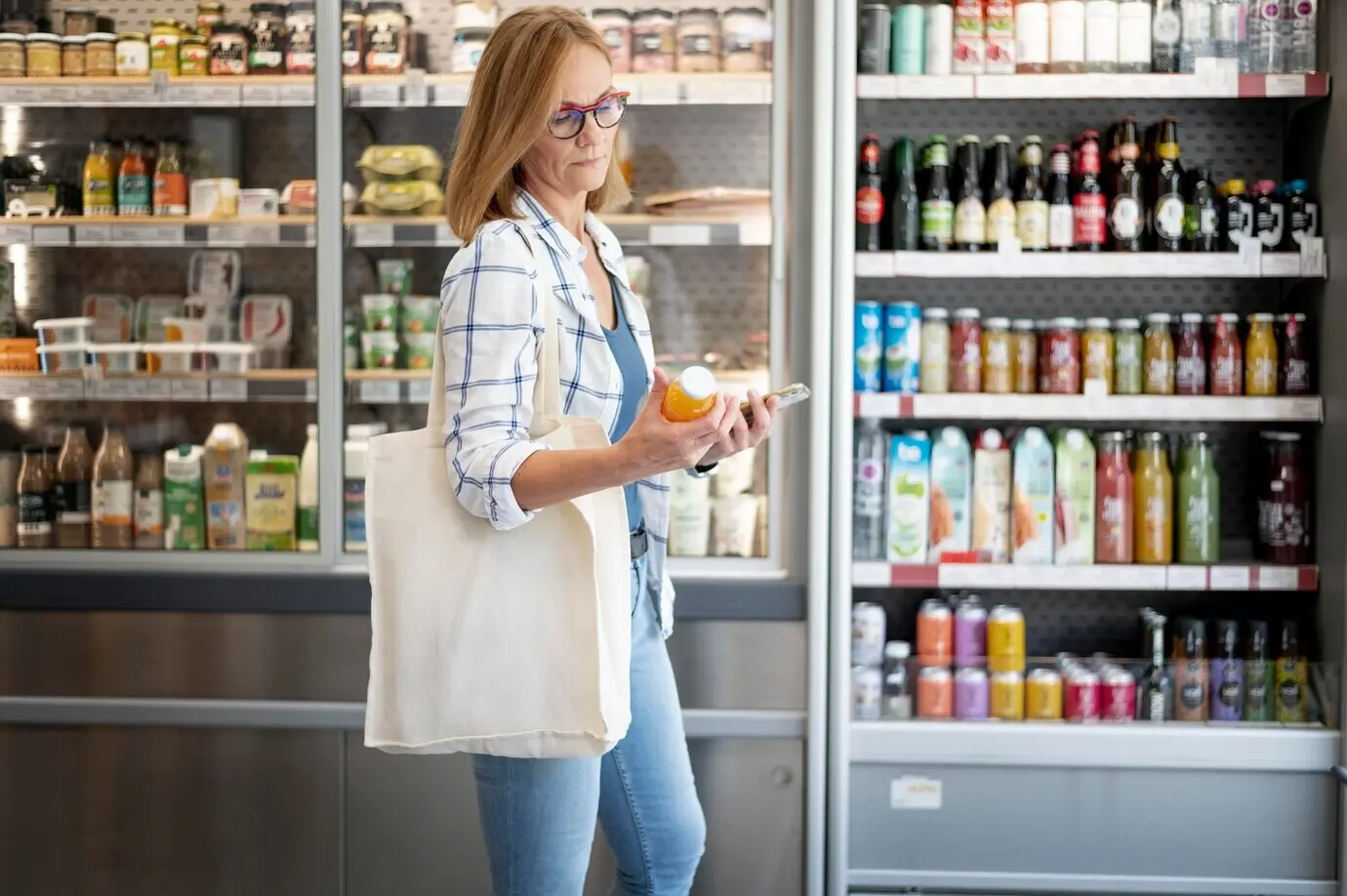
Day 1–2: Audit and Gather Containers
Day 3–4: One Refill Errand

All Rights Reserved.