Your Zero-Waste Errand Starts in Your Bag

Designing the Kit That Fits Your Life

Right-Sizing Containers
Resist the urge to carry every size at once. Match containers to typical purchase volumes: a tall jar for rice, a small tin for spices, a mid-sized box for pasta. Nest smaller pieces inside larger ones to save space. Keep one lightweight emergency pouch for surprises. Over time, track what returns home half-empty, and downsize to make your bag lighter and your choices more intentional.
Materials That Do the Work
Resist the urge to carry every size at once. Match containers to typical purchase volumes: a tall jar for rice, a small tin for spices, a mid-sized box for pasta. Nest smaller pieces inside larger ones to save space. Keep one lightweight emergency pouch for surprises. Over time, track what returns home half-empty, and downsize to make your bag lighter and your choices more intentional.
Lids, Seals, and Leaks
Resist the urge to carry every size at once. Match containers to typical purchase volumes: a tall jar for rice, a small tin for spices, a mid-sized box for pasta. Nest smaller pieces inside larger ones to save space. Keep one lightweight emergency pouch for surprises. Over time, track what returns home half-empty, and downsize to make your bag lighter and your choices more intentional.
Smart Labels, Tare Weights, and Store Etiquette
Effortless Labeling System
Use removable tape or a washable paint marker to note item name, PLU code, and tare weight on each container. Place labels in consistent spots so staff can read them quickly. Carry a fine-tip permanent marker for lids and a grease pencil for jars that might get cold. Keep a tiny cloth to wipe mistakes. The faster your labels appear, the friendlier the checkout feels.
Mastering Tare Without Slowing the Line
Weigh containers before filling, then write tare clearly on the side and lid. At checkout, present the container with the tare facing the cashier and briefly mention it, smiling. If scales are busy, record tare at home and double-check later. Most stores appreciate preparation. When in doubt, let staff reweigh to ensure accuracy. A thirty-second pause now prevents a long price correction later.
Positive Conversations at the Counter
A friendly greeting sets the tone. Say you brought clean containers, already labeled with tare. If a policy is unclear, ask whether they prefer weighing before or during checkout. Share appreciation when they help, and keep your routine tidy. Your respectful approach builds goodwill, which often leads to small accommodations, like using your jar for peanut butter or your tin for cheese slices, with fewer questions next time.
Daily Reset Ritual
Deep-Clean Schedule
Odors and Stains, Begone
Mobility: Packing, Carrying, and Preventing Spills
01
The Modular Carry
Break your kit into modules: dry goods, produce, liquids, and bakery. Each module lives in a pouch or small tote. At home, keep modules together on a shelf so you can grab only what today requires. This reduces weight and keeps checkout tidy. A small scale, tape, and marker belong in a tiny pocket so they never migrate to the bottom where you can’t reach them quickly.
02
Shockproofing for Jars
Wrap jars in fabric produce bags or reuse old socks as DIY sleeves. Place the heaviest jars at the base, surrounded by softer items like cloth napkins or a folded tote. A flat-bottomed carrier prevents tipping on buses or during cycling. If you hear clinking, repack before leaving the store. Your future self, navigating curbs and stairs, will thank you for the extra minute spent cushioning.
03
Quick Departure Checklist
Before you leave home, run a sixty-second check: containers matched with lids, labels and marker packed, clean produce bags counted, tape and small cloth ready, wallet and membership card handy, and room left for bread or leafy greens. Knowing you have space reduces impulse to add disposable packaging. This tiny ritual lowers stress, shortens shopping time, and makes your zero-waste routine feel refreshingly dependable and repeatable.
What to Fill: Pantry Staples, Produce, and Treats
Dry Goods Without Dust Clouds
For flour, choose wide-mouth jars so scoops don’t poof powder everywhere. Oats and rice pour neatly from tall, narrow shapes. Spices belong in tiny lidded tins labeled on top and side for quick identification. When filling, tilt the bin spout into the jar’s mouth to minimize mess. At home, decant with a funnel and keep a small brush nearby for those inevitable, harmless sprinkles.
Fresh Produce Without Plastic
Breathable cotton or mesh bags keep airflow around leafy greens and mushrooms, reducing condensation. Weigh the bag tare once, then reuse confidently. Separate fragrant items like onions from delicate strawberries with an extra pouch. After shopping, wrap herbs in a damp cloth and store in a jar, bouquet-style. Your crisper will stay organized, and you’ll open the fridge to a cheerful display rather than a jumble.
Deli and Bakery Wins
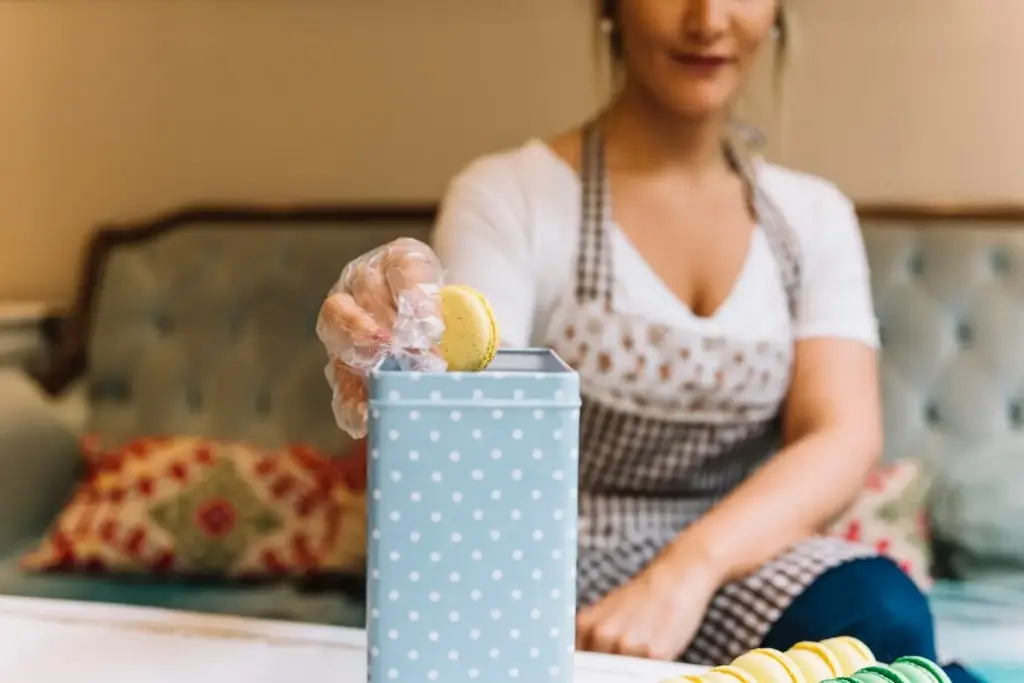
Ask if staff can place cheese or sliced meats into your stainless container, then seal promptly to keep aromas contained. For bread, bring a large cloth bag or a clean pillowcase to preserve crust while allowing steam to escape. Cookies and pastries ride safely in a shallow tin lined with a napkin. Share appreciation when it works smoothly; good experiences build momentum and friendly familiarity for future visits.
Budget, Impact, and Staying Motivated
Cost Per Use Reality Check
Measuring Waste You Didn’t Create
Keep the Habit Alive

All Rights Reserved.